
custom car upholstery
Custom Car Upholstery: Choosing a Bespoke Trim Shop
Looking for premium custom car upholstery? Discover how to choose the best bespoke trim shop to transform your vehicle's interior with expert craftsmanship today.
What Custom Car Upholstery Involves
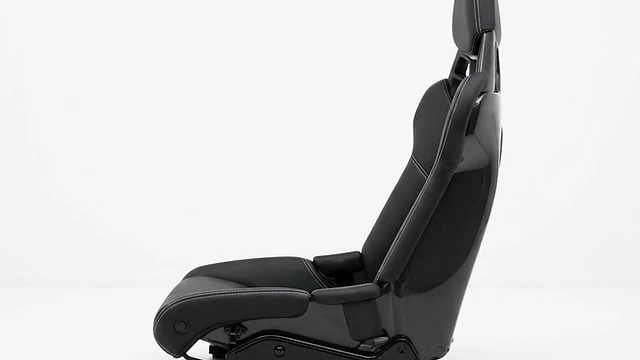
True custom car upholstery transcends simple seat covers; it is a meticulous engineering process balancing weight, ergonomics, and aesthetics. At a premium atelier like AMX Performance, the procedure begins with structural integrity—often utilizing high-modulus carbon fiber shells to achieve an optimal strength-to-weight ratio for track-focused applications.
The Material Science of Craftsmanship
Precision is governed by the selection of high-performance textiles. Our artisans prioritize materials that offer both tactile luxury and functional durability:
- Nappa Leather: Chosen for its fine grain and suppleness, which allows for tight-radius wrapping around complex bolster geometries without thinning.
- Alcantara: An essential synthetic suede that provides superior lateral grip during high-G cornering, preventing driver fatigue.
- Structural Foam: Selecting the correct Shore hardness rating is critical, as it determines energy absorption and driver support during spirited driving.
The manufacturing workflow demands exact dimensional tolerance. We utilize CAD-designed templates to ensure every seam is symmetrical, minimizing puckering at stress points. When integrating bespoke stitch patterns, we analyze thread tension to prevent premature unraveling under thermal cycles. Unlike factory-produced alternatives, custom car upholstery requires manual tensioning of the cover over the frame, ensuring the material remains taut even after years of use. This holistic approach ensures that the final product adheres to rigorous safety standards while providing a bespoke interface between the driver and the machine. By blending artisanal techniques with material science, we transform standard interiors into high-performance, tailored cockpits.
Materials: Nappa Leather, Alcantara & Technical Fabrics
Selecting the right materials is the cornerstone of high-end custom car upholstery. At AMX Performance, we emphasize the intersection of tactile luxury, structural integrity, and weight management. Your choices should balance aesthetics with the specific physical demands of your driving style.
The Premium Selection
- Nappa Leather: We exclusively source full-grain, chrome-tanned Nappa for its superior softness and breathability. Unlike corrected leathers, Nappa preserves the hide’s natural cellular structure, offering unmatched elasticity. We ensure consistent thickness, typically 1.0mm to 1.2mm, to facilitate precise stitching around complex carbon fiber seat bolsters.
- Alcantara: Engineered for motorsport, this synthetic composite provides essential lateral grip. Its high friction coefficient prevents driver sliding during high-G cornering. Furthermore, Alcantara is remarkably flame-retardant and offers better heat dissipation than traditional suede, maintaining temperature stability in both track and street environments.
- Technical Fabrics: For weight-critical applications, we integrate high-tenacity, tear-resistant technical meshes. These materials offer superior airflow and are often rated to ISO 3795 automotive flammability standards.
When finalizing your build, consider the trade-offs: leather provides an unrivaled sensory experience and patina, while Alcantara and technical fabrics focus on weight reduction and performance ergonomics. Achieving a cohesive interior requires balancing these textiles to complement your vehicle’s cabin geometry and chassis performance. By integrating these premium materials with precision-engineered carbon fiber shells, we deliver bespoke solutions that endure the rigors of spirited driving while elevating the overall cockpit aesthetic.
The Build Process Step by Step
When you commission custom car upholstery from a premium atelier, the transformation moves from static design to high-performance engineering. Our process begins with digital scanning of the cockpit to ensure FIA-compliant ergonomics and precise seat geometry.
From Structural Foundation to Bespoke Finish
The journey follows a rigorous, multi-stage protocol designed to optimize weight and tactile feedback:
- Structural Integrity: We autoclave-cure carbon fiber shells to achieve an ideal strength-to-weight ratio. Unlike mass-produced frames, our bespoke architecture minimizes flex under lateral G-forces.
- Ergonomic Tailoring: High-density, closed-cell foam is carved to the driver’s specific anatomical profile, balancing support with long-distance vibration dampening.
- Material Selection: We curate bridge-of-weir Nappa leather for durability or Alcantara for coefficient of friction, ensuring your seating surface aids stability during high-speed maneuvering.
- Precision Stitching: Using German-engineered bonded nylon thread, our craftsmen execute tension-controlled seams that prevent material fatigue and stretching over years of track use.
The final phase involves a meticulous quality assurance check, verifying stitching consistency against our tension standards. By integrating advanced lightweight materials with artisanal finishing techniques, the build process ensures the seat is not just an aesthetic upgrade, but a functional extension of the vehicle’s chassis. Every stitch and structural layer serves a purpose—delivering a driving experience defined by connection, comfort, and uncompromising control, far surpassing the limitations of factory-standard interiors found in production automobiles.
Durability, Climate & Care
When investing in custom car upholstery, material selection must balance aesthetic intent with environmental resilience. At AMX Performance, we evaluate every project based on local climate exposure and long-term structural integrity.
Material Engineering and Resilience
Nappa leather remains the gold standard for tactile luxury, offering a consistent grain structure and excellent breathability. However, it requires periodic conditioning to prevent cracking under high-UV conditions. Conversely, Alcantara is a superior choice for performance applications due to its high friction coefficient, which keeps drivers anchored during lateral loading. It is inherently more heat-resistant than organic hides but demands specialized cleaning to prevent matte-finish degradation.
Maintenance Standards
To ensure your bespoke interior maintains its factory-fresh precision, consider these maintenance protocols:
- UV Protection: Use high-grade ceramic coatings or tinting on side glass to prevent the photochemical breakdown of polymers and dyes.
- Cleaning Cycles: For Alcantara surfaces, utilize a micro-fiber cloth with mild, water-based solutions; avoid heavy detergents that strip the synthetic micro-fibers.
- Structural Integrity: Periodically inspect stitching tension. High-performance seats—particularly those featuring carbon fiber shells—often involve high-stress anchor points; verify that your upholsterer uses bonded nylon or polyester thread with a specific Tex weight rating for maximum tensile strength.
Ultimately, a high-end trim shop prioritizes the technical trade-offs between breathability, colorfastness, and abrasion resistance. By selecting materials engineered for your specific driving environment, you ensure that your custom car upholstery survives the rigors of spirited driving while maintaining its refined, artisan finish for years to come.
Costs, Timelines & Choosing the Right Shop
Investing in custom car upholstery is an exercise in balancing uncompromising precision with material availability. Budgeting for a bespoke interior involves more than just aesthetics; it reflects the labor-intensive nature of hand-stitching premium substrates like aerospace-grade Alcantara or top-grain Nappa leather over carbon fiber shells.
Decoding the Investment
- Materials: Exotic hides and flame-retardant synthetic suedes carry higher price points due to supply chain consistency and structural resilience standards.
- Engineering: Integrating performance-focused ergonomics requires CAD-modeled foam densities and precision-cut panels that match the vehicle’s specific chassis geometry.
Timelines often extend beyond standard industrial production because true craftsmanship cannot be rushed. A comprehensive interior overhaul—covering seat bolsters, carbon backing, and custom stitch patterns—typically spans 6 to 12 weeks. This accounts for the meticulous tensioning of materials to prevent sagging, ensuring the upholstery maintains its structural integrity under high-G cornering loads.
Selecting Your Atelier
When choosing a shop, prioritize facilities that demonstrate a mastery of both form and function. Review their portfolio for consistent stitch density, seam alignment, and technical material integration. A premium partner will not simply "cover" your seats; they will engineer the interior to enhance your driving interface. Ask about their seat-weight reduction protocols and adherence to safety testing. Ultimately, selecting an expert who balances the artistry of bespoke leatherwork with the mechanical requirements of racing seats ensures your project delivers long-term performance and unmatched interior refinement.
Frequently Asked Questions
What sets premium materials apart in custom car upholstery?
When investing in custom car upholstery, the distinction lies in substrate integrity and material selection. For high-performance environments, we prioritize laser-cut carbon fiber shells for structural rigidity and weight reduction. Unlike standard automotive foam, we utilize high-density, closed-cell polyurethane foam, which offers superior vibration damping and lateral support under heavy G-loads.
- Nappa Leather vs. Alcantara: Nappa offers unparalleled durability and a natural, buttery aesthetic, making it ideal for daily drivers. Conversely, Alcantara provides a high-friction coefficient essential for track-focused racing seats, preventing unwanted driver sliding during aggressive cornering.
- Weight Considerations: A bespoke carbon fiber seat can shed up to 20 lbs per side compared to factory electric seats. However, this often necessitates the removal of integrated heating or cooling elements, a trade-off owners must consider for pure performance applications.
- Stitching Standards: Always inquire about the thread tension and UV-resistant bonded nylon. Precision stitching prevents seam failure under thermal expansion.
How does bespoke upholstery impact vehicle safety?
Safety is non-negotiable. Authentic custom car upholstery must account for OEM airbag deployment zones and seat sensor calibration. Our fabrication processes ensure that side-impact airbag paths remain unobstructed, maintaining original safety ratings. Furthermore, aftermarket seat brackets must meet strict metallurgical standards—typically 4130 chromoly steel—to ensure they withstand severe impact forces without failing. Always ensure your trim shop verifies mounting points against the original chassis geometry to maintain structural certification.